
Staring at a lab report that highlights a high HbA1c level is incredibly stressful for any patient or a caregiver managing a loved one’s health. You immediately start doing the math in your head, worrying about long-term complications, and asking yourself one desperate question: how much can a1c drop in 3 months? It is a heavy burden to carry. But panic will not lower your blood sugar. Action will.
Taking control of that number isn’t just about forcing yourself into harsh, restrictive diets; it is about having accurate data and the right medical equipment by your side right now. When you rely on outdated or painful testing methods, checking your blood sugar feels like a massive chore. This leads to missed readings, dangerous blind spots in your daily care, and endless frustration for both you and your doctor.
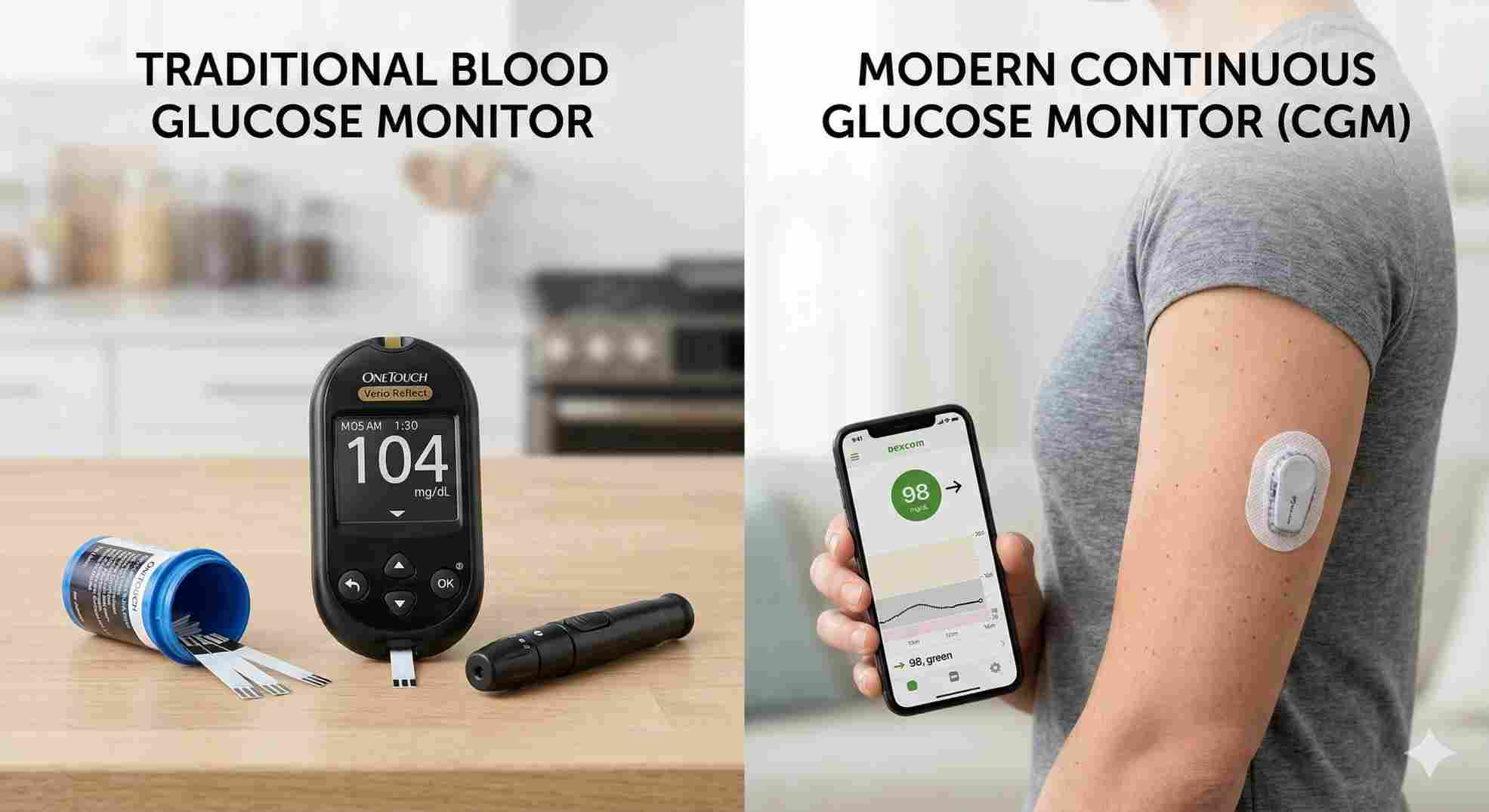
The good news is that with reliable diabetic supplies, like a modern Continuous Glucose Monitor (CGM) or a high-quality traditional glucometer, combined with targeted lifestyle shifts, you can see massive improvements. Let’s look at the realistic timelines, the essential gear you need, and the daily habits that will actually bring those numbers down.
The Insight: Establish Your True Baseline First
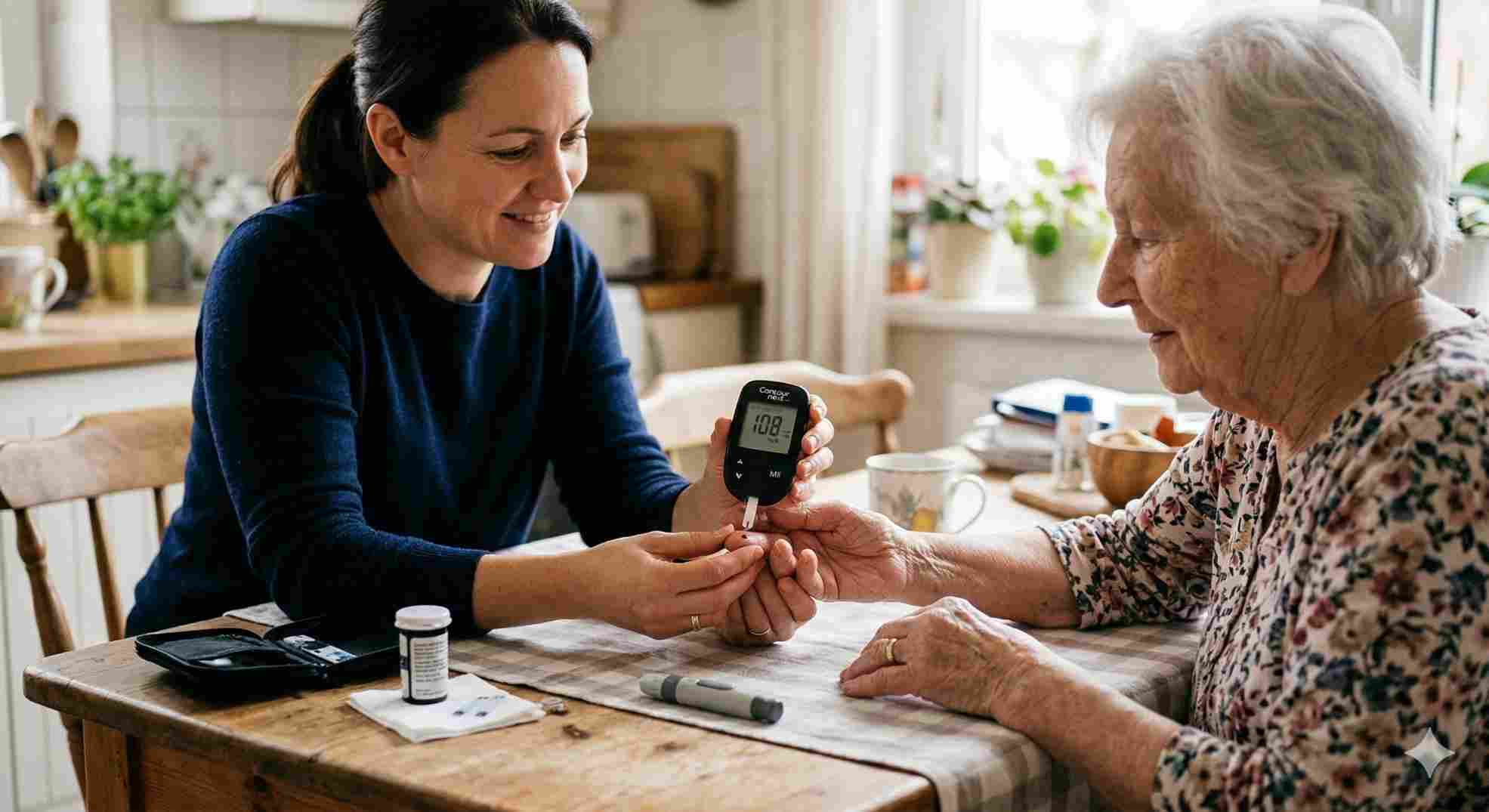
Before you change a single meal, you need to understand your current baseline. The biggest mistake patients make is trying to fix their diet without tracking how specific foods impact their daily glucose. Your quick win today is to secure a reliable blood glucose monitor and test in pairs: once right before a meal, and again two hours after. This simple act reveals exactly which meals spike your sugar. Medicare and most private insurances cover standard testing supplies, so there is no reason to guess. When you know your numbers, you strip the fear out of diabetes management. If you want to see how your daily readings translate into an estimated percentage, head over to our main pillar guide and use our A1C Calculator: Let’s Make Sense of Your Numbers.
 What Exactly Is HbA1c and How Long Does It Take to Lower A1C?
Let’s talk about the science behind the test in plain English. Your red blood cells are like tiny sponges floating in your bloodstream. When there is too much sugar in your blood, it sticks to these cells. This process is called glycation.
Because red blood cells live for about 90 to 120 days before your body replaces them, the A1C test acts as a three-month memory of your average blood sugar levels. It is not a snapshot of right now. It is a historical record. This is exactly why patients constantly ask how long does it take to lower a1c.
You cannot wipe away three months of history in a single weekend. If you start making positive changes today, you will see your daily finger-prick numbers improve almost immediately. However, your A1C requires patience. It takes a full 90-day cycle for the old, sugar-coated cells to die off and be replaced by new, healthy ones. So, how long does it take for a1c to go down? You will start seeing a real shift at your next quarterly doctor’s appointment.
The Honest Truth: How Much Can A1C Drop in 3 Months?
This is the central question on every patient’s mind. The answer heavily depends on your starting point and the actions you take.
If your starting A1C is very high—say, 10% or 11%—and you radically change your diet, activity levels, and begin taking prescribed medications, it is entirely possible to see a massive drop of 2% to 3% in just one quarter. I have seen highly motivated patients drop from a 10.5% to a 7.5%. That is a massive achievement that drastically reduces the risk of nerve damage and vision problems.
On the other hand, if your starting number is 7.5% and you are just trying to get under the 6.5% threshold, your drop will naturally be smaller. The closer you get to a normal range, the harder your body has to work for every tenth of a point. A drop of 0.5% to 1% is considered a huge clinical success in this range.
How Much Can A1C Drop in 3 Months Without Medication?
Many people want to avoid insulin or oral medications if possible. So, how much can a1c drop in 3 months without medication? If you rely strictly on lifestyle adjustments, a realistic drop is typically between 0.5% and 1.5%. This requires intense dedication to diet and daily movement.
| Lifestyle Change Focus | Effort Required | Expected Impact on A1C (Without Meds) |
|---|---|---|
| Strict Low-Carb Diet | High | 1.0% – 1.5% drop |
| Moderate Carb Reduction | Medium | 0.5% – 1.0% drop |
| Daily 30-Min Brisk Walking | Medium | 0.3% – 0.7% drop |
| Weight Loss (5% of body weight) | High | 0.5% – 1.0% drop |
| Improved Sleep (7-8 hours) | Low | 0.1% – 0.2% drop |
 The Role of Diabetic Medical Equipment in Your Journey
Managing diabetes without the right tools is like trying to drive at night without headlights. You need visibility. As a supplier of durable medical equipment, I see patients struggle daily simply because they are using terrible gear.
Let’s talk about your testing kit. If your lancets are dull, testing hurts. If it hurts, you stop doing it. If your test strips are expired or exposed to humidity, your readings are completely wrong. This means you might be making diet choices based on false data. Upgrading your equipment is one of the fastest ways to improve your daily management.
| Feature | Continuous Glucose Monitor (CGM) | Traditional Glucometer |
|---|---|---|
| Testing Method | Painless sensor worn on the arm/stomach | Daily finger pricks with lancets |
| Data Frequency | Readings every 5 minutes automatically | Only when manually tested |
| Trend Tracking | Shows arrows indicating if sugar is rising/falling | Shows a single static number |
| Cost / Insurance | Higher cost; strict Medicare requirements | Lower cost; widely covered |
| Best For… | Patients on insulin or with extreme highs/lows | Diet-managed or mild Type 2 Diabetes |
Tired of Painful Daily Finger Pricks?
Stop punishing your fingertips just to get a single, frustrating blood sugar reading. Stabbing yourself multiple times a day physically hurts, causes thick calluses, and leaves you totally blind to what happens between tests. You miss the dangerous sudden drops while you sleep and the hidden sugar spikes right after dinner.
But you do not have to live with the pain or the stressful guesswork anymore.
Imagine seeing your exact glucose levels update every single minute right on your smartphone, without ever doing a single finger prick. That is the true power of Continuous Glucose Management. You get a complete, real-time movie of your blood sugar instead of a single, outdated snapshot. This gives you the exact data you need to bring your A1C down safely and confidently.
Ready to finally ditch the old lancets and take absolute control of your health?
 Does Losing Weight Lower A1C?
Let’s tackle the weight question directly. When you carry extra weight, especially visceral fat around your belly, it wraps around your internal organs. This fat is not just sitting there; it actively blocks your body’s natural insulin from doing its job. This condition is called insulin resistance.
So, does losing weight lower a1c? Absolutely. Even a modest weight loss of 5% to 7% of your total body weight can drastically improve your body’s ability to use insulin. If you weigh 200 pounds, losing just 10 to 14 pounds can create a massive improvement in your lab results.
People often ask me, will losing weight lower a1c permanently? It will heavily keep your numbers down, as long as you maintain that healthier weight and continue making smart food choices.
 How to Lower A1C Overnight: The Dangerous Myth
When panic sets in a few days before a doctor’s appointment, people rush to the internet to search for miracles. They type in how to lower a1c overnight, hoping for a quick tea or supplement to fix their lab work.
I need to be brutally honest with you. You cannot lower your A1C overnight. It is physically and biologically impossible because the test measures a 90-day average. You can lower your current, daily blood glucose level overnight by fasting, drinking water, or taking prescribed insulin. But that single low reading will barely make a dent in a 90-day average.
Avoid any supplement or online program that promises an overnight fix. They are preying on your fear. How long to lower a1c safely? Three full months of consistent, boring, highly effective daily effort. There are no shortcuts.
Practical Steps: How Can I Reduce My HbA1c Consistently?
If you are sitting there wondering, how can i reduce my hba1c without feeling miserable, you need a sustainable plan. It is not about starving yourself. It is about working smarter.
- Swap Simple Carbs for Complex Ones: White bread, regular pasta, and sugary sodas spike your sugar instantly. Switch to whole grains, lentils, beans, and non-starchy vegetables.
- Pair Carbohydrates with Protein: Never eat a naked carb. If you have an apple, eat it with a handful of almonds or a slice of cheese. The fat and protein slow down the sugar absorption in your gut.
- Walk After Meals: A simple 15-minute walk after dinner pushes the sugar out of your blood and into your muscles where it is burned for energy.
- Prioritize Sleep: Poor sleep spikes your cortisol (stress hormone), which directly increases insulin resistance. Aim for 7 to 8 solid hours.
- Upgrade Your Medical Equipment: Ensure you have an unexpired, highly accurate monitor. A good DME supplier can help you bill this to your insurance so you are never caught without essential supplies.
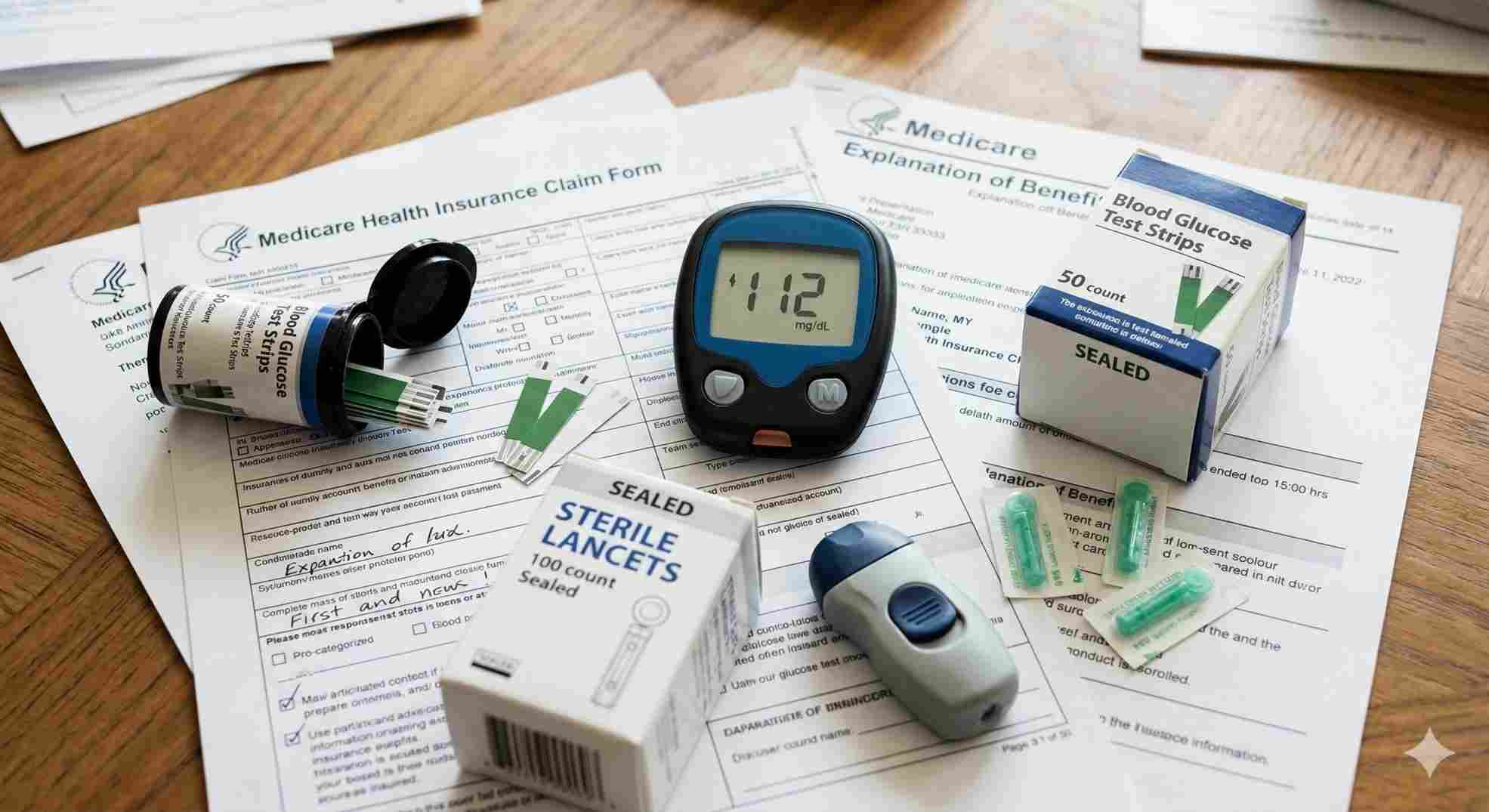
Understanding your insurance coverage is a huge part of this process. Getting the right supplies without paying out of pocket reduces stress, which in turn helps your blood sugars.
| Medicare Part B Coverage | Pros | Cons |
|---|---|---|
| Traditional Glucometers | Covered for almost all diagnosed diabetics | Limited test strips allowed per month |
| Test Strips & Lancets | Co-pay is usually very low (20%) | Must get a new prescription every year |
| Continuous Glucose Monitors | Incredible for tracking daily trends | Strict rules: Must be taking insulin to qualify |
| Diabetic Shoes | Helps prevent serious foot ulcers | Requires a specific foot exam by a doctor |
 Actionable Routine: How to Lower HbA1c Levels Today
If you want to know hba1c how to reduce it safely, start with your morning routine today. Do not worry about next month yet.
- Drink Water: Wake up and drink a large glass of water. Dehydration concentrates the sugar in your blood.
- Check Sugar: Check your fasting blood sugar with a fresh, sterile lancet. Note the number.
- Eat Protein: Eat a high-protein breakfast. Eggs, cottage cheese, or Greek yogurt are fantastic options.
- Stay Active: Move your body. Even gentle stretching or doing household chores helps.
- Take Meds: Take your prescribed medications exactly on time.
If you consistently follow this routine, you will never have to panic and ask how much can a1c drop in 3 months again. You will already know you are on the right path.
Final Thoughts on Your Diabetes Journey
Managing diabetes is a marathon, not a sprint. It requires immense patience, the right durable medical equipment, and a lot of self-compassion. Caring for yourself or a loved one is hard work, and you will have bad days. That is completely normal. The next time you feel overwhelmed staring at a lab report and wonder how much can a1c drop in 3 months, remember that every healthy meal, every short walk, and every accurate blood sugar reading adds up. You have the power to change your numbers. Equip yourself properly, stay consistent, lean on your healthcare team, and take it one day at a time.




What is considered a dangerously high A1C level?
An A1C over 9.0% is generally considered uncontrolled and dangerously high. At this level, the risk for serious complications like kidney damage, neuropathy (nerve pain), and vision loss increases drastically. Immediate medical intervention is highly recommended.
How often should Medicare patients replace their blood glucose monitor?
Medicare typically covers a new traditional blood glucose monitor every 3 to 5 years. However, if your monitor is broken, wildly inaccurate, or discontinued by the manufacturer, your doctor can write a letter of medical necessity to get it replaced sooner through your DME supplier.
Can drinking more water help reduce my A1C?
Yes, indirectly. Staying hydrated helps your kidneys flush out excess sugar through your urine. When you are severely dehydrated, the volume of your blood decreases, which means the concentration of sugar in your blood goes up. Drink plenty of water daily.
Are test strips universally compatible with all monitors?
No. This is a common and expensive mistake. Test strips are highly specific to the brand and exact model of the monitor you are using. Always double-check your meter’s brand before ordering supplies, as using the wrong strip will either give an error code or a dangerously false reading.
What happens if my A1C doesn't drop after three months?
Do not get discouraged. Sometimes, diet and exercise are not enough due to the natural progression of the disease. If your numbers do not move after three months of strict effort, it simply means your doctor needs to adjust your medication dosage or prescribe a different treatment path.




Write a comment
Your email address will not be published. All fields are required