
Searching for a reliable hba1c normal range chart is usually the first thing you do when a doctor hands you confusing lab results. You are sitting in the clinic, the printer whirs, and your eyes lock onto a single percentage. Your chest tightens. What does this number actually mean for your morning routine, your favorite meals, or your aging mother’s safety? When you don’t know your baseline, trying to manage your health feels exactly like searching for a map in the dark.
You can’t fix a problem you don’t understand. Hoping for the best is not a strategy when dealing with metabolic health. You need absolute clarity. More than that, you need the right tools at home—like a reliable glucometer or a continuous glucose monitor (CGM)—so you aren’t flying blind between those stressful clinic visits.
Let’s strip away the confusing medical jargon right now. We are going to look at an easy-to-read hba1c normal range chart, explain exactly how your target numbers shift as you get older, and detail the home medical equipment you need to take control of your daily health.
The Core Insight: Turning Percentages into Daily Finger Pricks
Here is the biggest hurdle most patients face. The HbA1c test measures the percentage of your red blood cells that have sugar attached to them. Because these cells live for roughly 90 days, the test gives your doctor a three-month average.
But you don’t live your life in three-month averages. You live day to day. You think in daily finger-prick numbers.
The secret to actually using an hba1c normal range chart is translating that broad percentage into your Estimated Average Glucose (eAG). This is your daily number. You don’t have to guess the math; just plug your lab result into our A1C Calculator: Let’s Make Sense of Your Numbers to instantly see your exact daily target. For instance, an A1c of 7.0% means your daily blood sugar averages around 154 mg/dL. An A1c of 8.0% means you are averaging 183 mg/dL every single day. As a provider of durable medical equipment, I tell my patients to write this conversion down and tape it to their testing kit. Once you connect that long-term percentage to the daily numbers flashing on your home glucometer, managing your diet suddenly makes sense.
 How to Actually Read an hba1c normal range chart
Understanding your lab work is the absolute foundation of managing diabetes. Your blood sugar jumps up and down all day. It changes based on the sandwich you ate for lunch, how stressed you are at work, and even how poorly you slept last night. A quick finger prick only tells you what is happening in that exact second. The A1c test tells the whole story.
Let’s establish the baseline. Major health organizations like the American Diabetes Association (ADA) rely on very specific thresholds to diagnose metabolic issues. When you review a standard hba1c normal range chart, think of it as a traffic light. Green means you are healthy. Yellow means you need to slow down and make changes. Red means you need immediate medical support.
Table 1: The Standard hba1c normal range chart
| Your Health Status | A1c Percentage Range | Daily Average (eAG) | Next Steps for Patients |
|---|---|---|---|
| Normal / Healthy | Below 5.7% | Under 117 mg/dL | Keep up the good work. Maintain your current diet. |
| Prediabetes | 5.7% to 6.4% | 117 mg/dL to 137 mg/dL | Cut liquid sugars. Walk daily. Start testing occasionally. |
| Diabetes | 6.5% or higher | 140 mg/dL or higher | Talk to your doctor about meds and order your home DME. |
If your number lands in the red zone, take a deep breath. Millions of people live incredibly active, fulfilling lives with diabetes. It just means your body needs a little outside help. That help comes in the form of insulin, oral medications, and high-quality medical equipment to keep you safe.
What is Normal HbA1c by Age?
Here is where people get incredibly confused. Blood sugar goals are not a one-size-fits-all situation. The perfect target for a 35-year-old is actually quite dangerous for an 85-year-old. Your body’s ability to process glucose—and your risk for severe side effects—changes drastically over the years. To accurately answer the question of what is normal hba1c by age, we have to look at different life stages.
The a1c ranges 40 year old male and female
For adults in their 30s, 40s, and 50s, doctors push for tight, aggressive control. If you fall into the a1c ranges 40 year old male or female bracket, your doctor will likely want that number firmly below 7.0%.
Why are they so strict? Because a 40-year-old has 40 or 50 more years to live. High blood sugar acts like microscopic shards of glass in your bloodstream over time. Keeping your A1c tightly controlled right now prevents severe complications down the road—like blindness, kidney failure, and nerve damage. At this stage of life, getting a smart Continuous Glucose Monitor (CGM) is a brilliant move to establish strict, healthy habits early.
 Defining normal a1c levels for seniors
As we get older, the medical playbook completely changes. The normal a1c levels for seniors are set higher on purpose.
The biggest threat to an older adult is not long-term kidney damage twenty years from now. The biggest threat is a severe drop in blood sugar today. This is called hypoglycemia. Older adults often lose their ability to feel a low blood sugar crash coming on. If a senior’s blood sugar drops too low, they get dizzy. They fall. A fall leads to a broken hip, a hospital stay, and a massive loss of independence. Therefore, aiming for a slightly higher number on the hba1c normal range chart is much safer than risking a devastating fall.
The exact a1c goals by age 70 and a1c goals by age 75
For healthy, active older adults, the a1c goals by age 70 usually sit right around 7.0% to 7.5%. They are still driving, cooking, and managing their own pills.
But as the years pass, the targets loosen up even more. For many patients, the a1c goals by age 75—especially for those dealing with heart issues, memory loss, or mobility struggles—can safely rest at 8.0% or sometimes 8.5%. As a caregiver, your job isn’t to force their blood sugar down to a “perfect” number. Your job is to keep them comfortable, stop them from feeling constantly thirsty, and protect them from dangerous low-sugar crashes.
Table 2: Age-Adjusted Targets on the hba1c normal range chart
| Patient Age & Health | Target A1c | The Medical Reasoning |
|---|---|---|
| Adults (18-65) | Below 7.0% | Prevent long-term organ damage. Tight control needed. |
| Healthy Seniors (65+) | 7.0% to 7.5% | Balance healthy numbers with the risk of dizzy spells. |
| Frail Seniors (70-75+) | 8.0% to 8.5% | Prevent falls. Avoid severe hypoglycemia at all costs. |
| Severe Illness | Avoid symptoms | Focus entirely on comfort and daily quality of life. |
The Warning Signs: Prediabetes and Danger Zones
Knowing your ideal target is great. But you also need to know when the numbers are screaming at you to pay attention.
Reading the prediabetes chart
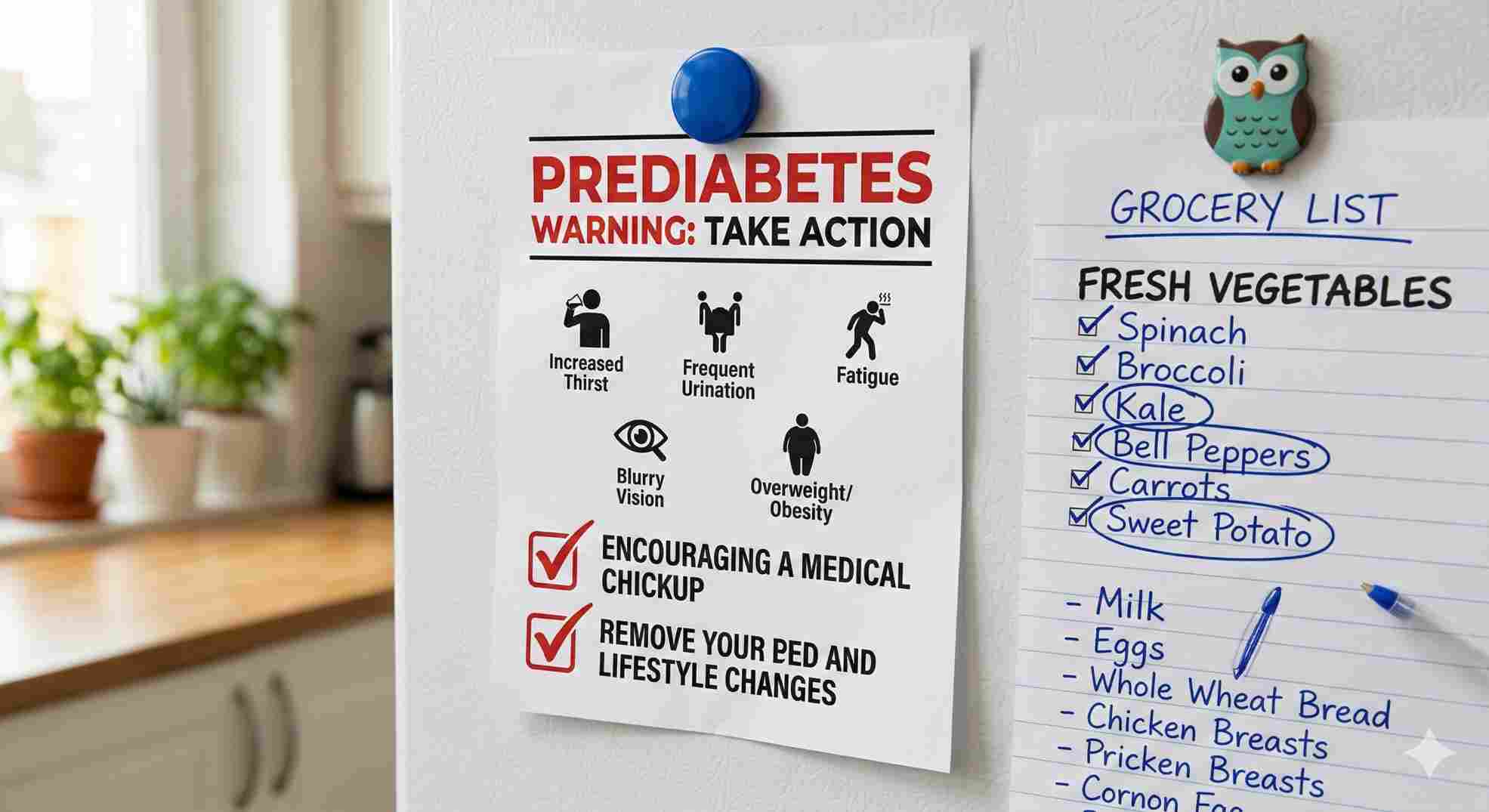
Prediabetes is your body’s check-engine light. When you check a prediabetes chart, you are looking at that tight window between 5.7% and 6.4%.
Your body is struggling. It can’t produce enough insulin, or your cells are ignoring the insulin you do make. But here is the good news: the damage is not permanent yet. You can literally turn the ship around.
If your lab work drops you into this category, you have to act. Stop drinking regular soda. Take a brisk 20-minute walk after dinner. Buy a basic blood glucose meter. It is a cheap, essential piece of medical equipment that lets you see how a heavy pasta dinner spikes your blood sugar the next morning.
 Exactly what is a dangerous level of a1c?
Patients call my office in a panic all the time, asking the exact same question: what is a dangerous level of a1c?
Medically, any A1c consistently over 8.0% in a younger adult starts multiplying your risk for major health problems. But when that number climbs past 9.0%, 10.0%, or 11.0%, you are in a critical medical crisis. An A1c of 10.0% means your blood sugar is constantly sitting around 240 mg/dL.
At that level, your blood gets thick and sticky like syrup. It destroys the tiny, fragile blood vessels in your eyes and toes. A tiny blister from a tight shoe won’t heal. It gets infected, and that is exactly how amputations happen. This is why Medicare pays for therapeutic diabetic shoes. When your numbers are this high, protecting your feet with proper durable medical equipment is not a luxury; it is a life-saving necessity.
The low a1c meaning and finding the lowest a1c
We talk about high sugar so much that we completely ignore the opposite problem. What is the low a1c meaning? Should you panic if your number is “too good”?
If you don’t have diabetes, an A1c in the mid-4% range is perfectly normal. But if you have diabetes and take insulin, a sudden drop below 6.0% (or below 7.0% for a frail senior) is a massive, flashing red warning light.
The lowest a1c results in diabetic patients almost always mean you are suffering from hidden hypoglycemia. Your medication dose is too high. You are crashing while you sleep. Furthermore, an artificially low A1c can actually mean you are bleeding somewhere, or you have severe anemia, which messes up the test entirely. If your number drops suddenly on your hba1c normal range chart, call your doctor that same day.
 The Medical Equipment You Need to Succeed
As a professional in the durable medical equipment (DME) world, I see it every single day. Patients who try to guess their blood sugar fail. Patients who use the right tools succeed. It really is that simple. You don’t have to carry this mental burden alone; the technology exists to do the heavy lifting for you.
Here is what you need in your home right now:
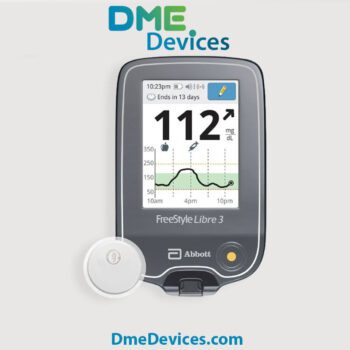
- Continuous Glucose Monitors (CGMs): These are incredible. Devices like the Dexcom G7 or FreeStyle Libre stick to your arm. They send your blood sugar reading straight to your smartphone every few minutes. You can see a spike coming before you even feel it.
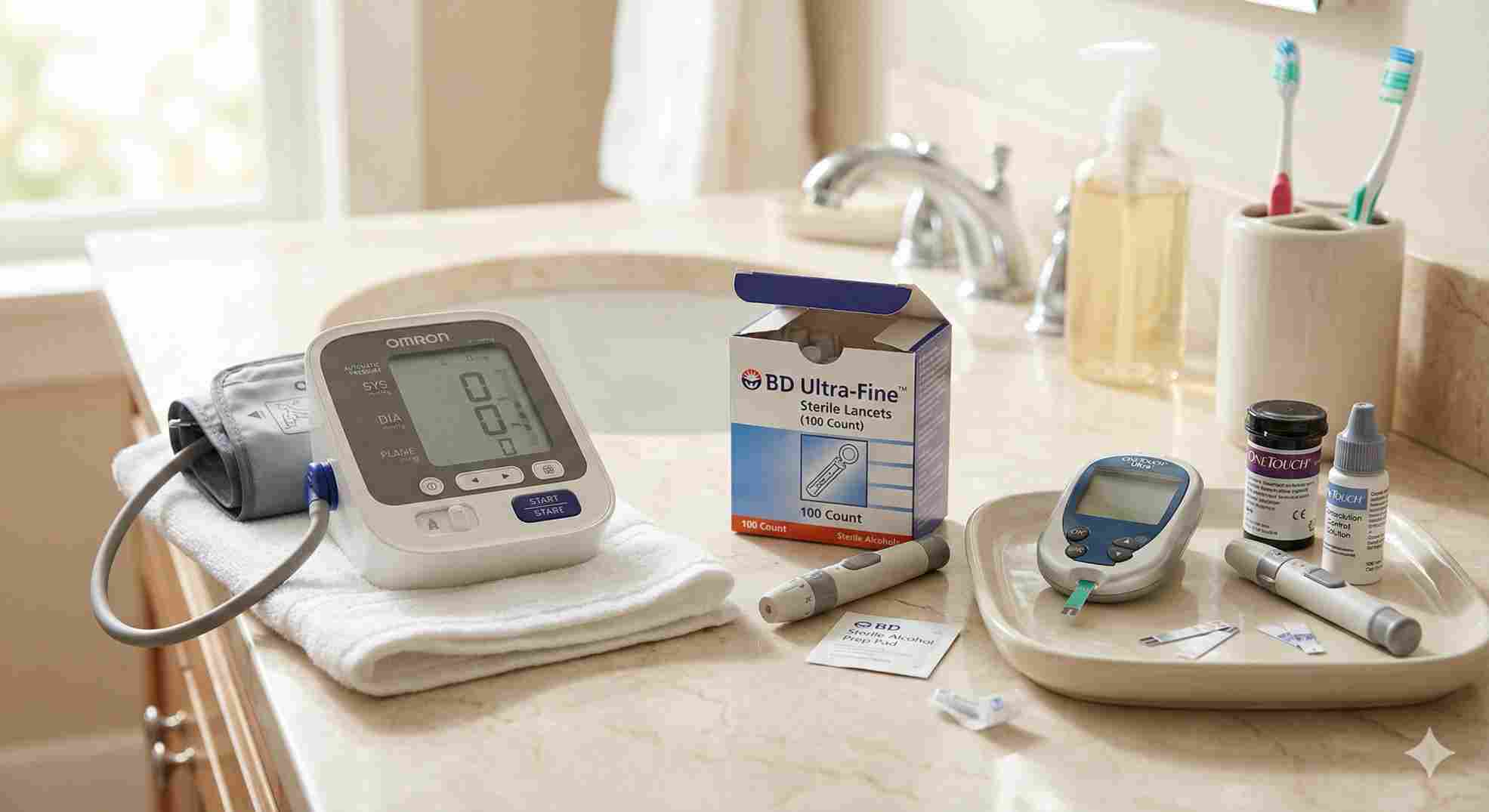
- A Backup Glucometer: Electronics fail. Sensors fall off. You absolutely must have a traditional finger-prick meter, fresh test strips, and lancets in your bathroom drawer.
- Diabetic Footwear: High blood sugar kills the nerves in your feet. You could step on a tack and never feel it. Custom diabetic shoes are a core piece of preventive gear that stops ulcers before they start.
- A Home Blood Pressure Cuff: Diabetes wreaks havoc on your heart and kidneys. Checking your blood pressure at home is just as important as checking your glucose.
Table 3: Paying for Your Diabetes Equipment
| Payment Method | The Good | The Bad |
|---|---|---|
| Medicare Part B | Covers 80% of costs for approved meters, strips, and custom shoes. | Lots of red tape. Strict rules on how many strips you get per month. |
| Private Insurance | Usually covers modern CGMs, even for some prediabetic patients. | High deductibles. You might have to fight for prior authorization. |
| Paying Cash | You get the gear immediately. No waiting for doctor notes or approvals. | Very expensive out-of-pocket, especially buying sensors every 14 days. |
Tired of the Endless, Painful Finger Pricks?
You shouldn’t have to guess what your blood sugar is doing between meals. Relying on outdated testing methods leaves you entirely blind to sudden spikes and dangerous nighttime drops. Imagine knowing your exact glucose levels with a simple, painless glance at your smartphone—no lancets, no bleeding, and no sore fingertips.
When you can finally see your real-time trends, you take your power back. Making the switch to continuous glucose management completely removes the guesswork from your daily routine, allowing you to safely hit your A1c goals. Stop guessing, and start knowing.
 Moving Forward
Getting a bad lab report is exhausting. The endless tracking, the confusing medication schedules, and the sheer fear of complications can easily burn out both patients and their caregivers. But you do not have to walk this road completely blind.
Talk to your doctor this week. Bring up your age, your daily struggles, and set a realistic target that makes sense for your specific life. Get your home stocked with the right medical equipment so you stop guessing and start knowing. Print out a reliable hba1c normal range chart, stick it to your fridge, and take your life back.
Medical Disclaimer: All content is for informational purposes only. Always consult your primary care physician or endocrinologist before making changes to your diet, medication, or medical equipment routines.




How often do I actually need to check my A1c?
If your numbers are stable and you feel good, testing twice a year is plenty. If your doctor just changed your insulin dose, or your numbers are out of control, you need to check it every three months.
Do I have to starve myself before this blood test?
No. The HbA1c test measures a 90-day history. Eating a big breakfast right before they draw your blood will not change the result at all.
Why doesn't my home meter average match my lab work?
Your home meter only knows what your blood sugar was at the exact second you pricked your finger. It completely misses the massive spikes that happen two hours after dinner or while you are fast asleep. The lab test sees everything.
Can I drop my A1c in just a few weeks?
The test covers 90 days, but the most recent 30 days carry the heaviest weight. If you completely change your diet and take your meds perfectly starting today, you will see a significant drop in your lab work in just one month.
Will Medicare pay for a Continuous Glucose Monitor?
Yes, but there are rules. Medicare Part B covers CGMs if you meet their criteria. They recently relaxed the rules, so even if you don’t take multiple shots of insulin a day, you might still qualify—especially if you have a history of dangerous low blood sugar. Call your DME supplier to check your exact coverage.




Write a comment
Your email address will not be published. All fields are required