
The Real Goal of HbA1c in Diabetes (And How to Actually Reach It)
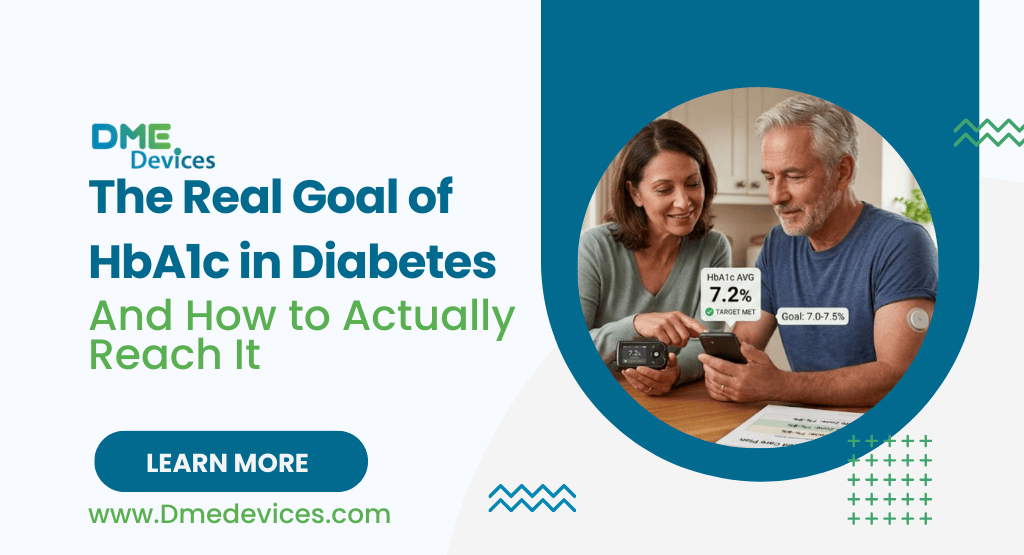
Watching someone you care about poke their finger day after day wears you down. You sit there looking at the tiny screen, hoping the number is “good,” but what does “good” even mean long-term? Finding the actual goal of hba1c in diabetes often feels like trying to read a medical textbook in a foreign language. It stresses out patients, and it leaves the people taking care of them feeling helpless and confused.
But you need to figure out these numbers to stay ahead of the condition. A single blood sugar check just gives you a quick snapshot of the last few hours, missing the big picture entirely. That is exactly why having the right monitors and testing supplies at home matters so much right now. They show you the actual trends, helping you catch problems weeks or months before they turn into emergencies.
The answer is learning how an A1C test works and getting the right tools to track it every day. Once you find out your personal target, you stop guessing and start managing. We are going to look at what these numbers represent, why your age completely changes your target, and the medical supplies that finally make dealing with this condition a little easier.
A Quick Fact: 7% Is Not the Rule for Everyone
People panic when their lab results come back at 7.2%. They immediately think they are failing. Here is the truth: major health groups now say an A1C between 7% and 8% is perfectly fine for many adults. Forcing your numbers too low causes your blood sugar to crash, which is extremely dangerous. Your target depends entirely on your age, your heart health, and how long you have had the condition. Do not stress over reaching a perfect 6.5% if your doctor hasn’t specifically asked for it.
What Exactly Is the Goal of HbA1c in Diabetes?
To get a handle on this condition, you first need to understand what the lab is actually measuring. The test looks at your red blood cells. Sugar in your bloodstream sticks to these cells. Because red blood cells live for roughly three months, measuring the coated cells gives your doctor a highly accurate three-month average of your blood sugar. If you want to see how your daily finger pricks translate into an estimated percentage right now, our A1C Calculator: Let’s Make Sense of Your Numbers guide makes doing the math completely hassle-free.
For a very long time, the standard goal of hba1c in diabetes was a strict “under 7%.” Doctors pushed patients hard to reach this number. But medical experts eventually realized that treating every single person exactly the same way causes harm. A young person might need a lower target to protect their eyes and kidneys over the next forty years. An older person needs a higher target to avoid fainting from low blood sugar.
 Today, hitting the goal of hba1c in diabetes is about finding a balance. You want your numbers low enough to prevent long-term damage, but high enough to let you live a normal life without constantly worrying about passing out.
Guidelines by Age and Health
Seeing where you or your family member fits on the chart takes away a lot of the anxiety. Here is a breakdown of what most doctors suggest today.
Table 1: General A1C Guidelines by Patient Profile
| Patient Profile | Recommended A1C Target | The Main Reason |
|---|---|---|
| Healthy Adults | Around 7.0% | Lowers the risk of nerve and kidney damage over many decades. |
| Older Adults | 7.5% to 8.0% | Stops dangerous low blood sugar drops that cause severe falls. |
| Very Elderly / Frail | 8.0% to 8.5% | The focus becomes daily comfort, avoiding extreme highs or lows. |
| Pregnant Women | 6.0% to 6.5% | Very tight control is required to protect the developing baby. |
Why Your Personal hba1c goal Looks Different
Every body reacts differently to food, stress, and medication. When you sit down to discuss the goal of hba1c in diabetes with your doctor, they are looking at your entire life, not just the blood test. Your hba1c goal must fit your actual daily routine.
Think about older adults. They face a massive risk if their blood sugar drops too low. This condition is called hypoglycemia. It causes sweating, deep confusion, dizziness, and falls. A broken hip from a fall is often much more dangerous for an 80-year-old than an A1C reading of 7.8%. Because of this, an older person’s hba1c goal is almost always set higher. Your care team will adjust the goal of hba1c in diabetes based on your life expectancy, your memory, and whether you live alone.
 We see this frequently with the families who order supplies from us. A daughter will call, frantic because her mother’s A1C is 7.6%. We always remind them to check what the doctor actually requested, because 7.6% might be exactly where she needs to be.
The Best Equipment for Tracking Your Numbers at Home
You simply cannot fix what you do not track. Reaching the goal of hba1c in diabetes takes accurate, consistent monitoring. In the past, this meant painful finger pricks four to six times a day. Your fingers would get calloused and sore. Today, you have incredible options that completely remove the pain and the guesswork.
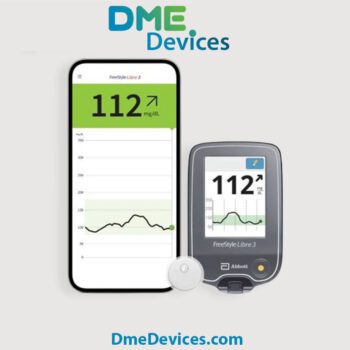
Continuous Glucose Monitors (CGMs) have entirely changed the way people live. A CGM is a tiny, water-resistant sensor you stick onto your arm or your stomach. It reads your blood sugar levels all day and all night, sending the numbers straight to your phone or a small handheld device.
Table 2: Continuous Glucose Monitors (CGMs) vs. Standard Glucometers
| Feature | Continuous Glucose Monitor (CGM) | Standard Glucometer |
|---|---|---|
| How it Tracks | Reads fluid under the skin 24/7. | Requires a blood drop from a finger prick. |
| Pain Level | Almost painless. One insertion every 10-14 days. | Daily pain from frequent finger pricks. |
| Information | Shows trends, history, and arrows for highs/lows. | Shows just a single moment in time. |
| Best Used By | People on insulin, people who drop low at night. | People managing with diet, or testing rarely. |
| Price | Higher upfront cost for the receiver and sensors. | Cheap monitors, but test strips cost a lot over time. |
Waking up with sore fingers and still not knowing if your overnight blood sugar crashed is exhausting. The constant anxiety of guessing your numbers between daily finger pricks makes managing your health feel like an impossible chore.
It does not have to be this way. You can replace the pain and the guesswork with continuous, real-time data. Modern Continuous Glucose Monitoring technology streams your exact numbers directly to your smartphone every single minute. You finally get to see the full picture, helping you catch dangerous lows before they happen and confidently hit your targets without the constant finger sticks.
Stop guessing and start tracking properly. Make the switch to the most accurate continuous monitoring technology available today.
Freestyle Libre 3 Plus Buy Online
Figuring Out Medicare and Insurance for Supplies
Getting the right medical equipment can feel expensive and frustrating. Many caregivers spend hours on the phone stressing over how to pay for these new sensors, monitors, and boxes of test strips. The good news is that Medicare and private insurance usually cover the bulk of these costs, provided you know exactly what paperwork to submit.
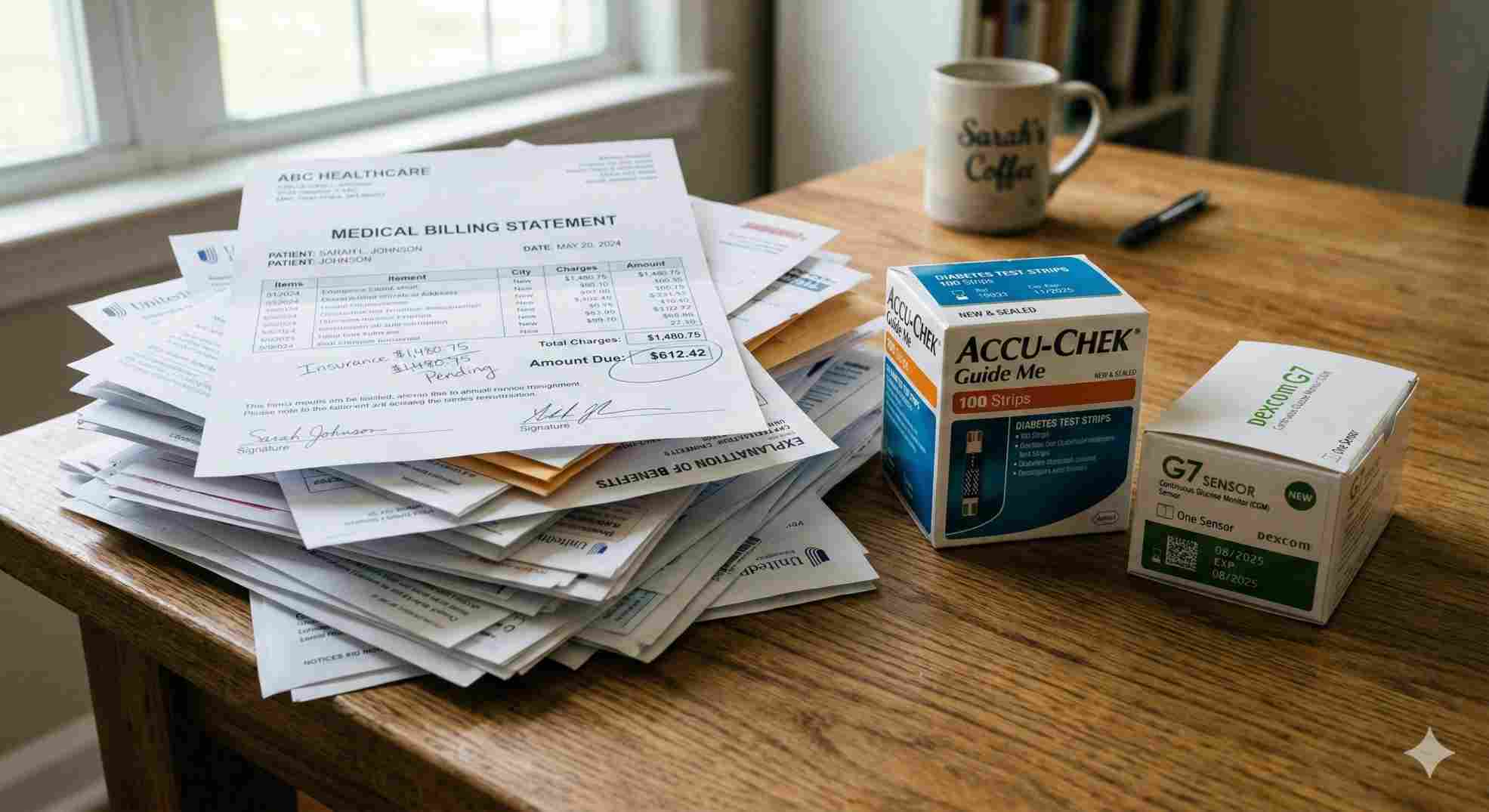 To get Medicare to pay for a CGM, there are rules. You generally need to be treating your condition with insulin. You also need a very specific prescription from your doctor stating that the equipment is absolutely necessary for you to meet your hba1c goal without putting your health at risk. The paperwork has to be exact, or the claim gets denied.
Table 3: Medicare Coverage Basics for Diabetes Equipment
| Equipment Type | Medicare Coverage Rules | What the Patient Needs |
|---|---|---|
| Glucometers | Part B covers 80% of the approved cost. | A doctor’s prescription. |
| Test Strips | Covered for both insulin and non-insulin users. | Strict limits apply (example: 100 strips a month). |
| CGM Sensors | Covered under Part B as Durable Medical Equipment. | Must use insulin or have severe low blood sugar history. |
| Home A1C Kits | Not covered by Medicare at all. | Pay out of pocket or go to an approved lab instead. |
If you are dealing with denials, always double-check the diagnosis codes your doctor used. A simple typo on the prescription form will stop your supplies from shipping.
Daily Steps to Finally Hit Your Target
Meeting the goal of hba1c in diabetes does not happen overnight. It is about the small things you do every Tuesday morning and Thursday night. Here are the most practical steps you can take starting today:
- Upgrade Your Meter: If you still test multiple times a day with strips, ask your doctor for a CGM. The convenience takes the stress away immediately.
- Walk After You Eat: A basic 15-minute walk around the block after dinner pulls sugar out of your blood and into your muscles.
- Never Run Out of Supplies: Set up automatic deliveries with your medical equipment supplier. Running out of strips leads to guessing, and guessing ruins your numbers.
- Talk About Your Meds: If you do everything right and still miss the goal of hba1c in diabetes, your body probably just needs a different medication. Do not blame yourself for a chemical issue.
- Drink More Water: Staying highly hydrated dilutes the sugar in your system and helps your kidneys process it out safely.
 Taking Charge of the Numbers
Handling this condition takes a lot of mental energy, but you do not have to stumble through it in the dark. By learning how the tests work, talking openly with your doctor about your personal targets, and using the right medical supplies, the confusion fades away. Focus on the small, daily habits. Make sure your testing equipment is modern, reliable, and processed correctly through your insurance. Reaching the exact goal of hba1c in diabetes is completely possible when you stop guessing and start tracking properly.
A Final Reminder for Caregivers
Take a deep breath. You are doing a great job managing a complex situation. Focus on the data, rely on the right tools, and give yourself grace along the way.

Hot

Hot

Hot
Hot
How often do I actually need to get an A1C test?
If your numbers are stable and you are meeting your targets, twice a year is usually enough. If you just started a new medication, or if you are having a hard time hitting the goal of hba1c in diabetes, your doctor will likely want a test every three months.
Can I use Medicare to buy a home A1C test kit?
No, Medicare generally refuses to cover home A1C kits you buy at the pharmacy. They require you to get a blood draw at a proper lab for accuracy. They do, however, cover the daily testing supplies you use at home to track your progress.
What happens if my number goes over 9%?
An A1C over 9% means your average blood sugar is running over 210 mg/dL. This is very high. It puts you at a fast-growing risk for vision problems and severe nerve pain in your feet. If your lab results come back this high, you need to call your doctor that same week to adjust your treatment.
Will my hba1c goal go up as I get older?
Yes, it almost certainly will. As you age, the risk of falling down due to low blood sugar becomes a much bigger threat than the sugar itself. Doctors will often raise your hba1c goal from 7% up to 8% to make sure you stay safe and comfortable in your daily life.
Do continuous monitors mean I throw away my finger prick tools?
Not completely. Modern CGMs are incredibly accurate, but they can still glitch. If you feel dizzy and shaky, but your CGM says your blood sugar is completely normal, you must do a finger prick to double-check. Always keep a backup meter and a fresh box of strips in the cabinet.




Write a comment
Your email address will not be published. All fields are required