
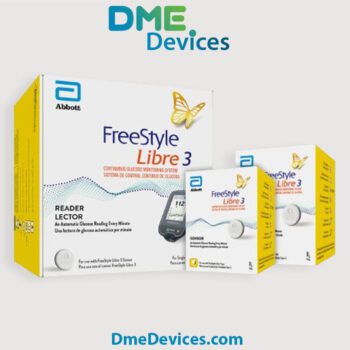
The FreeStyle Libre 3 Plus Sensor: A Smart Upgrade for Diabetes Care

Freestyle Libre 3 Plus Sensor

Living with diabetes means making endless decisions every single day. From counting carbs to calculating insulin, the mental load is heavy. But the tools we use to manage this condition are getting sharper, smaller, and smarter. The freestyle libre 3 plus sensor is the latest device to hit the market, and it is making waves for good reason. It promises to take the guesswork out of glucose monitoring, giving you more freedom and less stress.

If you are tired of finger pricks or dealing with bulky equipment, this guide breaks down exactly why the freestyle libre 3 plus sensor might be the right fit for your lifestyle. We will look at how it works, why the extended wear time matters, and how it connects with other devices to keep you healthy.

What Sets the FreeStyle Libre 3 Plus Sensor Apart?

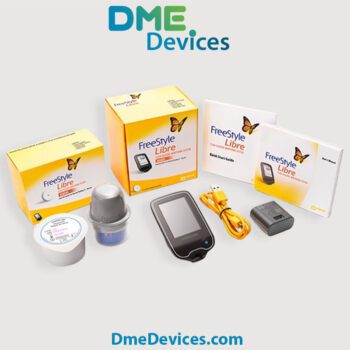
The freestyle libre 3 plus sensor is designed with real life in mind. It is incredibly small—about the size of two pennies stacked together. This makes it the smallest and thinnest sensor you can buy right now. Once it is on the back of your arm, it is so low-profile that you will likely forget it is even there. It doesn’t snag on door frames or show under tight clothing, which is a huge plus for anyone who values discretion.

But it isn’t just about size. The freestyle libre 3 plus sensor sends your glucose readings directly to your smartphone every single minute. You don’t have to scan the sensor manually like you did with older versions. You just glance at your app, and your number is there. This real-time data helps you catch highs and lows before they become dangerous.

A New Standard: The 15-Day Wear Time

One of the biggest frustrations with Continuous Glucose Monitors (CGMs) is how often you have to change them. Most sensors last 10 or 14 days. The freestyle libre 3 plus sensor pushes this boundary by lasting for up to 15 days.

This might sound like a small difference, but it adds up. With a freestyle libre 3 plus sensor day supply of 15 days, you change your sensor less often. Over a year, that means fewer needle insertions and less time dealing with pharmacy refills. It also simplifies the math for your prescription. Since one sensor lasts half a month, you need exactly two freestyle libre 3 plus sensors for a 30-day supply, or six for a 90-day supply. It just makes the logistics easier.

Connecting with Insulin Pumps

For people who use insulin pumps, the freestyle libre 3 plus sensor is a game-changer. It is authorized as an Integrated Continuous Glucose Monitoring (iCGM) system. This is a fancy way of saying it is cleared to “talk” to other medical devices.

Right now, the freestyle libre 3 plus sensor pairs with specific automated insulin delivery (AID) systems, such as the Tandem t:slim X2 and the Beta Bionics iLet Bionic Pancreas. When you link them up, the sensor sends your glucose levels straight to the pump. The pump then adjusts your insulin automatically to keep you in range. This creates a “closed-loop” system that handles a lot of the background work for you, helping to flatten those spikes after meals and prevent drops while you sleep.

How It Stacks Up Against Competitors

It helps to see how this device compares to others on the shelf. Here is a quick breakdown of how the freestyle libre 3 plus sensor performs against other popular options.

Feature FreeStyle Libre 3 Plus Dexcom G7 Medtronic Simplera
Wear Duration 15 Days 10 Days 7 Days
Physical Size Smallest (2 pennies) Slightly larger Different shape
Warm-Up Period 60 Minutes 30 Minutes ~2 Hours
Pump Pairing Yes (t:slim X2, iLet) Yes (various) Yes (MiniMed)

As you can see, the 15-day life of the freestyle libre 3 plus sensor gives it a clear edge in longevity.

Accuracy and Reliability

You need to trust the numbers on your screen. In the medical world, accuracy is measured by something called MARD. The lower the number, the better. The freestyle libre 3 plus sensor has a MARD of roughly 7.9%, which is excellent.

Because it is so accurate, the FDA says you can use the freestyle libre 3 plus sensor to make treatment decisions. You don’t need to prick your finger to double-check the number before taking insulin. The only time you really need a finger stick is if your symptoms don’t match the reading—like if the screen says you are high, but you feel shaky and low.

Dealing with Replacements and Issues

No technology is perfect 100% of the time. Sometimes, adhesive gives up early, especially if you are swimming a lot or sweating at the gym. If your sensor falls off before the 15 days are up, you might need a freestyle libre 3 plus sensor replacement.

The manufacturer, Abbott, is generally very helpful with this. If you have a sensor failure, don’t just throw it in the trash. Save the box or write down the serial number. You can contact their customer support, and they will often ship a freestyle libre 3 plus sensor replacement directly to your door. It is a good safety net to have.

Cost, Coverage, and Savings

The price of medical gear is always a concern. The good news is that the freestyle libre 3 plus sensor has wide insurance coverage. Most commercial plans and Medicare cover it for people who are on insulin.

If you don’t have coverage, or if your deductible is high, you should look for a freestyle libre 3 plus sensor coupon. The manufacturer often runs programs to help lower out-of-pocket costs. “MyFreeStyle” is one such program that allows eligible people to try the system for free. Also, check with your pharmacist when you pick up your prescription. They often have access to a freestyle libre 3 plus sensor coupon or voucher that can knock a significant chunk off the price.

Technical Details at a Glance

For those who want to know the specific limitations and specs, here is a simple table.

Table 2: Device Specifications

Specification Details
Water Rating IP28 (Safe for swimming up to 30 mins)
Bluetooth Range 33 feet (10 meters)
Data Memory Stores 14 days of data on the sensor
Operating Temp 50°F to 113°F
Battery Silver Oxide (Sealed inside)

Is the FreeStyle Libre 3 Plus Sensor Right for You?

Choosing a CGM is personal. However, the freestyle libre 3 plus sensor checks a lot of boxes for a lot of people.

  • For Kids: Parents love it because they can monitor their child’s sugar remotely while the kid is at school or playing sports.

  • For Adults: The discreet size means you can wear it to work or dinner without anyone noticing.

  • For Pump Users: The ability to automate insulin delivery with a compatible pump reduces the mental burden significantly.

When you switch to the freestyle libre 3 plus sensor, you are choosing convenience. You are choosing to carry fewer supplies and do fewer sensor changes. You are choosing a device that integrates with the latest pump technology.

Final Thoughts

Managing diabetes is a marathon, not a sprint. You need tools that can go the distance with you. The freestyle libre 3 plus sensor offers the longest wear time in the industry, reliable accuracy, and seamless integration with insulin pumps. It takes a complex medical necessity and makes it simple, wearable, and forgettable.

If you are ready to upgrade your management plan, talk to your doctor about writing a prescription for the freestyle libre 3 plus sensor. It might just be the easiest decision you make for your health this year. Buy Freestyle Libre 3 Plus Sensor

FAQs about Troubleshooting Common FreeStyle Libre 3 Plus Sensor Issues

How is the FreeStyle Libre 3 Plus sensor different from the standard Libre 3?

The two biggest differences are how long it lasts and what it connects to. The freestyle libre 3 plus sensor wears for up to 15 days, whereas the standard version lasts for 14. Additionally, the “Plus” version is authorized to work with compatible automated insulin delivery (AID) pumps, like the Tandem t:slim X2, which the standard version generally does not support.

Can I swim or shower while wearing the sensor?

Yes, you can. The sensor is water-resistant and designed to withstand immersion in up to 3 feet of water for 30 minutes. You can shower, swim, and exercise with it. However, if you plan on being in the water for longer periods, some users find that adding an extra adhesive patch over the sensor helps keep it secureY.

Do I need a prescription to buy the FreeStyle Libre 3 Plus sensor?

Yes, in the United States, the freestyle libre 3 plus sensor is a prescription-only device. You will need to speak with your healthcare provider to get a prescription, which you can then fill at your local pharmacy or through a Durable Medical Equipment (DME) supplier.

What should I do if my sensor falls off before 15 days?

If your sensor falls off early or stops working, don’t worry. Abbott, the manufacturer, usually provides a freestyle libre 3 plus sensor replacement for failed sensors. You should keep the sensor box or the serial number handy and contact their customer support team to request a replacement.

Where is the best place to apply the sensor?

The FDA-approved application site for the freestyle libre 3 plus sensor is the back of the upper arm. This area is chosen because it generally has enough fatty tissue to be comfortable and stays out of the way during daily activities. Avoid placing it over moles, scars, or areas where you inject insulin.


Write a comment

Your email address will not be published. All fields are required