
You know the feeling. It is 3:00 AM, your loved one is sweating, and you are shaking while trying to get a blood drop onto a tiny test strip. It is terrifying. Families dealing with these sudden blood sugar drops are desperate for a safer, easier routine, which is exactly why so many people end up asking us about the abbott freestyle continuous glucose monitor. You just want to sleep through the night knowing they are safe.
Having the right medical supplies sitting on your nightstand means everything right now. Managing diabetes at home is exhausting. Every minute matters, and relying on old, painful fingerstick routines just piles more stress onto an already drained caregiver.
Fortunately, continuous monitors offer a practically pain-free way out of that cycle. If you are brand new to this technology, I highly recommend reading our main Freestyle Libre Sensor: Your Complete Guide to Continuous Glucose Monitoring first. Below, let’s break down exactly how to get your new abbott freestyle sensor, wear it properly, and get Medicare to pay for it, so you can finally catch your breath.
A Crucial Tip: Check Your Sensor Batch Right Now
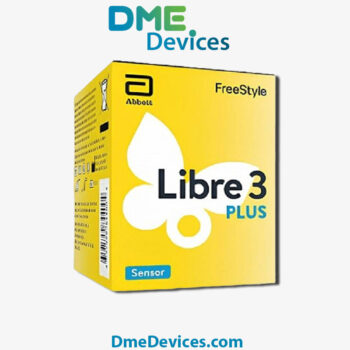
Before we talk about sticking the device to your arm, let’s look at something urgent. If you already have an abbott freestyle box in your hand, you need to check the serial number. Late in 2025, a manufacturing flaw affected specific Libre 3 and Libre 3 Plus sensors, causing them to show false low readings, which prompted a formal medical device correction.
Don’t panic. The readers and smartphone apps are fine. This only affected certain batches.
Your Quick Win: Grab your box and look up the serial number on the official manufacturer recall site. If yours is flagged, they will mail you a free replacement. Until then, if your loved one feels perfectly fine but the abbott freestyle app says their sugar is crashing, trust your gut. Do a manual fingerstick to be sure.
 How the abbott freestyle Actually Works
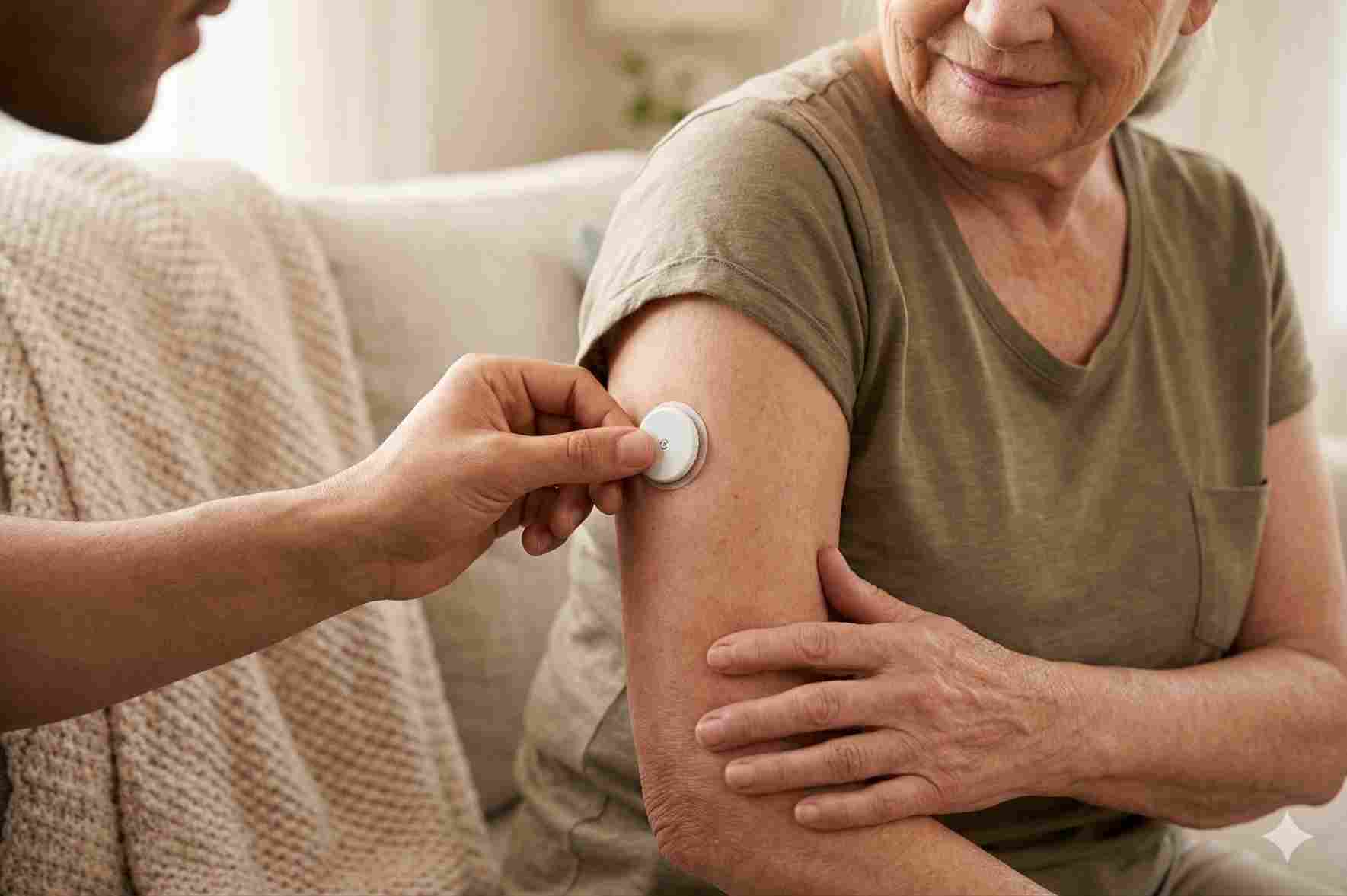
Let’s strip away the heavy medical jargon. The abbott freestyle system takes the guesswork out of daily diabetes care. Instead of pricking a finger for blood, you stick a small sensor to the back of the arm.
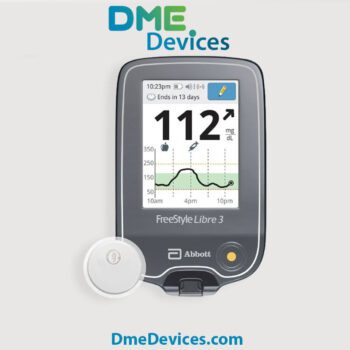
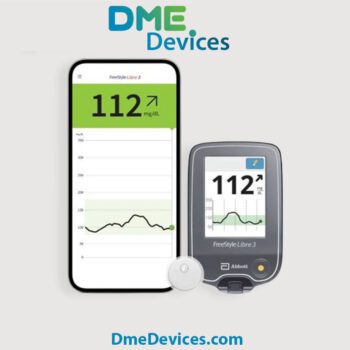
A tiny, flexible filament sits just under the skin. It measures glucose in the fluid between your cells, updating the number every single minute. It then shoots that data over Bluetooth to a handheld reader or a smartphone.
You see real numbers and arrows pointing up or down. For caregivers juggling jobs and medical duties, the abbott freestyle is a total relief. You can check a loved one’s numbers from work using the companion app.
Understanding the Different Models
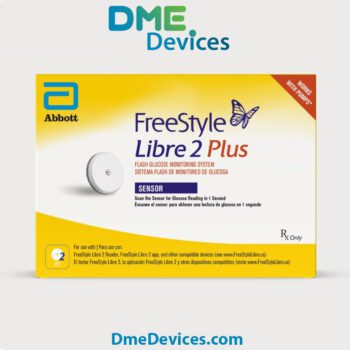
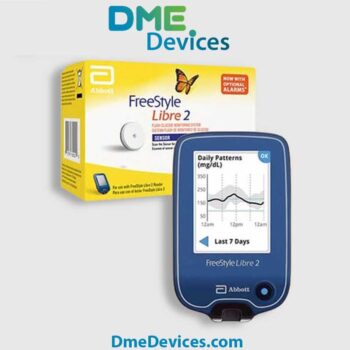
When you look for an abbott freestyle online, you will see a few different versions. The older Libre 14-day and Libre 2 systems made you physically scan the sensor with your phone to get a number. The newer ones send the data automatically.
Comparing Sensor Sizes and Data
Here is a breakdown of what you will see on the market.
| Feature | abbott freestyle Libre 2 | abbott freestyle Libre 3 | abbott freestyle Libre 3 Plus |
|---|---|---|---|
| Data Delivery | Requires manual scanning | Automatic streaming | Automatic streaming |
| Sensor Size | Size of two stacked quarters | Size of two stacked pennies | Size of two stacked pennies |
| Wear Time | 14 Days | 14 Days | 15 Days |
| Approved Age | 4 years and older | 4 years and older | 2 years and older |
| Medicare Status | Covered (with criteria) | Covered (with criteria) | Covered (with criteria) |
Getting Your abbott freestyle Covered by Medicare
Paying for medical supplies is brutal. They drain your wallet fast. Luckily, the abbott freestyle counts as Durable Medical Equipment (DME). That puts it under Medicare Part B.
Medicare Part B Guidelines
A few years ago, you had to take multiple daily insulin shots to qualify for a continuous monitor. They finally changed that rule. The requirements are much easier to meet today.
Steps for Insurance Approval
To get your abbott freestyle paid for, you generally need to check these boxes:
- You have a diabetes diagnosis.
- You treat it with insulin, OR you have a history of severe low blood sugar events.
- You have a prescription from a Medicare-enrolled doctor.
- You see that doctor for diabetes check-ups every six months.
Required Documentation
Once your Part B deductible is met, Medicare covers 80%. You or your supplemental insurance cover the rest.

| Payment Method | The Pros | The Cons |
|---|---|---|
| Original Medicare (Part B) | Covers 80% of the cost for the abbott freestyle sensors and reader. | Strict eligibility rules. You still pay the 20% coinsurance. |
| Medicare Advantage (Part C) | May offer extra benefits or lower predictable copays for DME. | You must use their specific DME suppliers. They often require prior authorization. |
| Private Commercial Insurance | Often flexible with pharmacy benefits rather than strict DME billing. | High deductibles mean paying out-of-pocket for months before coverage kicks in. |
| Cash Pay / Out of Pocket | No waiting for authorizations. No strict criteria to meet. | Extremely expensive. A month’s supply of abbott freestyle sensors costs hundreds of dollars. |
Daily Wear and Care Tips
Having a device attached to you 24/7 takes a little getting used to. The abbott freestyle sensor is small, but it is still there. You might bump it on a car door or snag it on a sweater.
Protecting Your Device
Here is how you keep it secure and your skin happy.
1. Clean the Site
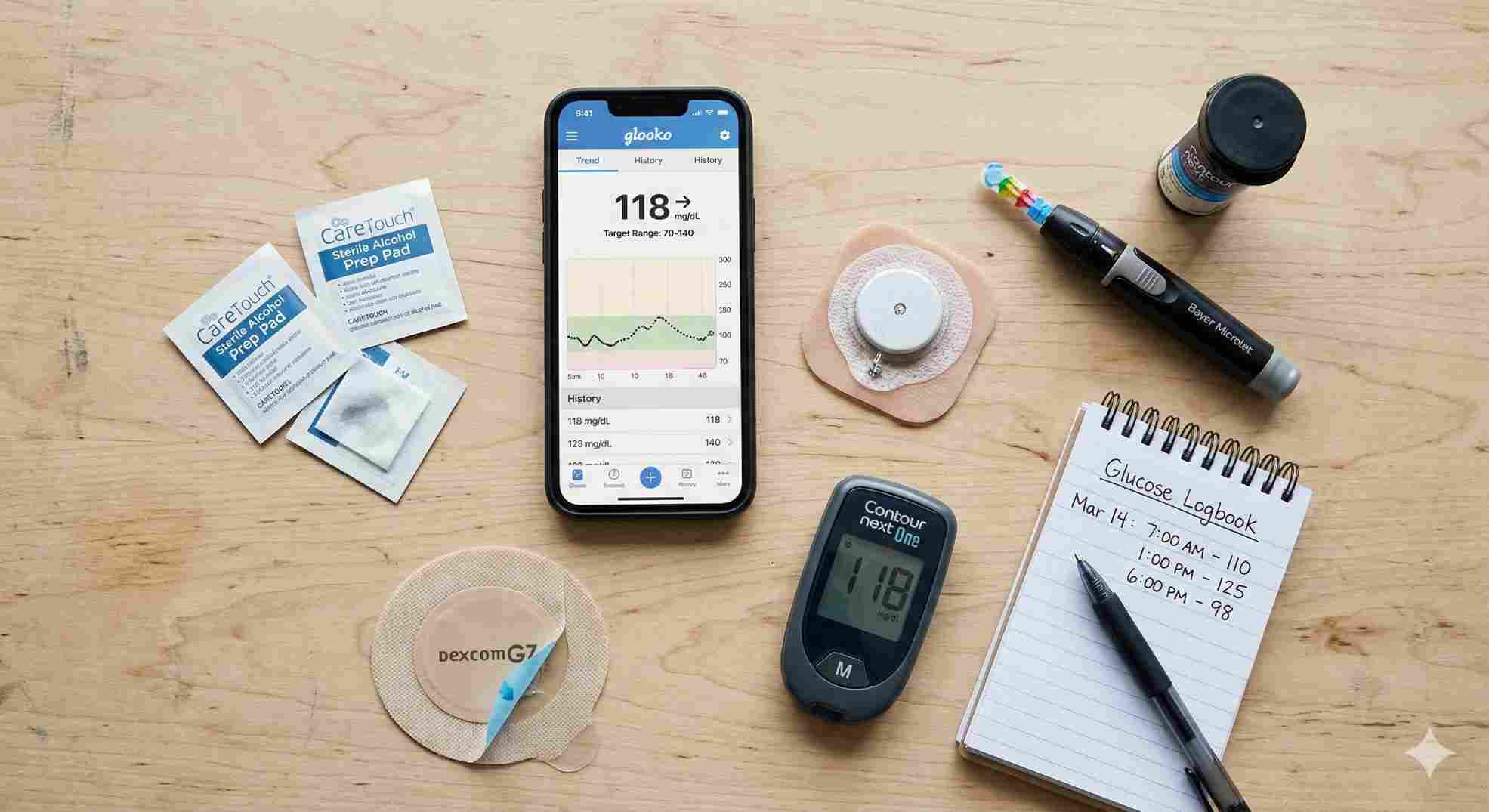
Wash the back of your arm with plain soap. Skip the moisturizing body wash. Dry it, then wipe the skin with an alcohol swab. Let it dry completely before sticking the abbott freestyle on. Oily skin ruins the adhesive.
2. Stop the Itch
Some folks get a red rash from the glue. Try a liquid barrier film. You wipe it on, let it dry into a thin shield, and apply the abbott freestyle right over it.
3. Lock It Down
If you move around a lot in your sleep, buy an overpatch. These are waterproof medical stickers that go over the abbott freestyle sensor so the edges won’t peel in the shower.
 Technical Specifications You Should Know
People always ask us at the supply desk if they can swim with it or how close they need to keep their phone. Here are the facts.
| Specification | Details |
|---|---|
| Transmission Range | 33 feet to your smartphone or reader. |
| Data Update Rate | Sends a new glucose reading every 1 minute. |
| Water Resistance | Can be submerged in up to 3 feet of water for 30 minutes. |
| Warm-Up Time | 60 minutes after application before the first reading. |
| Calibration | Factory calibrated. No routine fingersticks required. |
| Alarms | Optional alerts for high glucose, low glucose, and signal loss. |
Managing Your Alarms
When your abbott freestyle beeps all day, it drives you crazy. You might want to shut it off entirely. Don’t do that. Just fix the settings.
Finding Your Sweet Spot
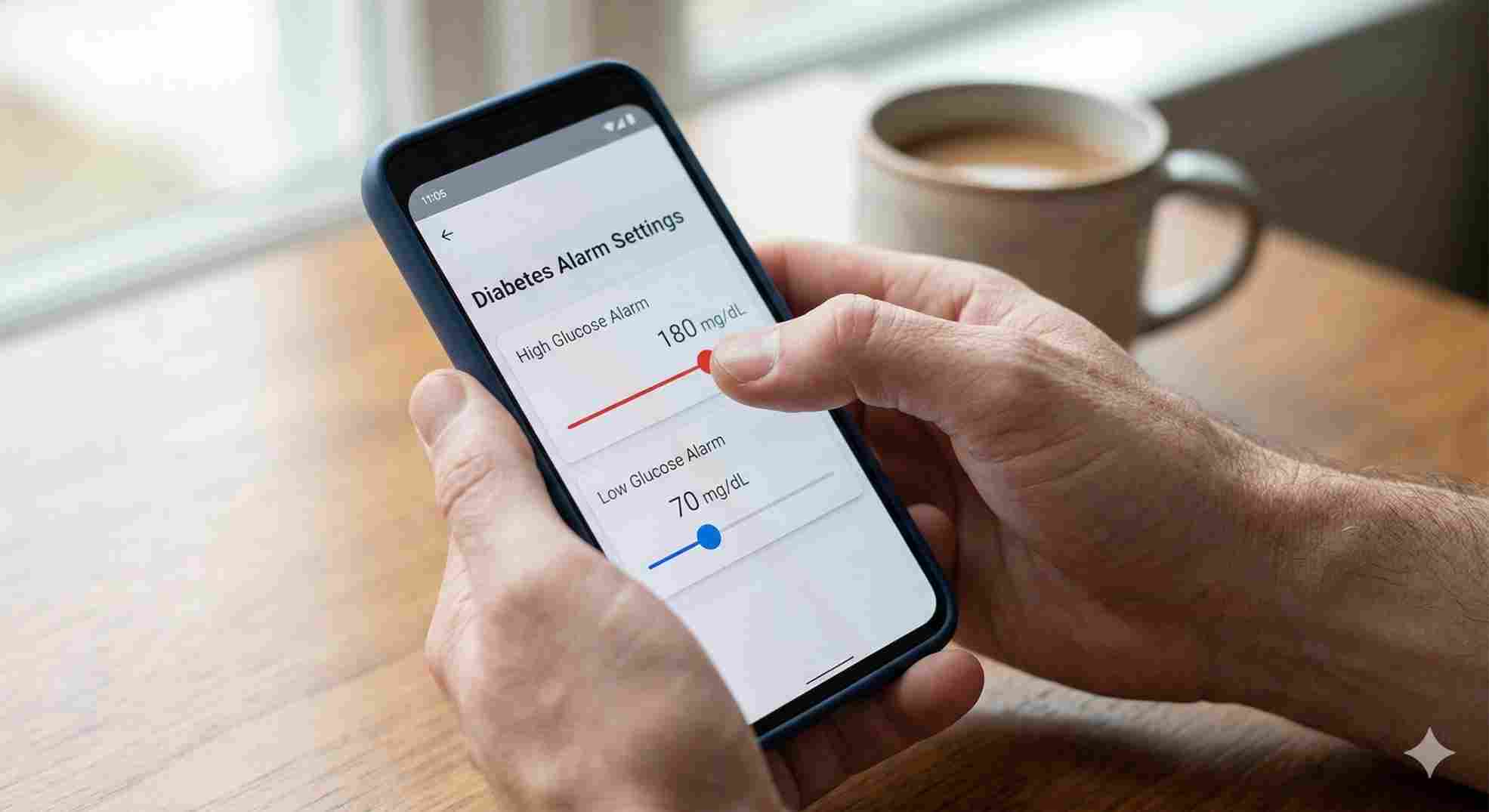
Open your app. You can change when the high and low alerts trigger.
Setting High and Low Alerts
If your doctor says your target is 70 to 180 (the standard range recommended by the American Diabetes Association), set the alarms there. If you make the high alarm too tight, it will go off every time you eat an apple.
Avoiding Alarm Fatigue
Find a balance so the abbott freestyle helps you instead of annoying you.
When to Call Your Doctor
If your alarms are constantly sounding despite diet changes, it is time to consult your physician for a medication adjustment.
 Sharing Data with Your Doctor
Numbers don’t help if you don’t use them. The abbott freestyle links to a cloud system.
You can connect your libre com account directly to your doctor’s office. Before your appointment, your doctor logs in and looks at your last 90 days of sugar levels. They see exactly what happens while you sleep.
This completely changes your doctor visits. You don’t have to guess how you felt last Tuesday. You have the proof right there, allowing your doctor to adjust your medicine safely.
 Ready to Stop the Painful Fingersticks?
You are exhausted from the endless cycle of test strips, waking up in a panic, and dealing with bruised fingertips. It feels like you are always one step behind the numbers. But what if you could simply glance at your phone and know exactly where those sugar levels are trending, right this second?
That peace of mind is entirely possible. It is time to step away from the outdated, painful routines and switch to modern technology for effective Continuous Glucose Management. You and your family deserve a better, easier way to handle this.
Dealing with diabetes is a heavy job, but it shouldn’t take over your whole life. Upgrading your daily routine gives you back your time and lets your family sleep soundly. When you know how to apply the sensor, read the numbers, and handle the Medicare paperwork, you are set up to win. Talk to your doctor about your options, and remember that getting an abbott freestyle is a smart, practical step toward making everyday life just a little bit easier.
User also read about:
Freestyle Libre 3 Troubleshooting: Fixing Sensor and App Issues Fast

Does it hurt to put on?
Most say no. The applicator pushes the filament in so fast you barely feel it. It feels like a light tap. It hurts a lot less than poking your finger.
Can I shower with my abbott freestyle?
Yes. It handles water just fine. You can shower and swim. Just don’t go deeper than 3 feet or stay underwater for more than 30 minutes. Use an overpatch for heavy swimming to protect your freestyle health routine.
What if it falls off early?
If your abbott freestyle falls off before 14 days, don’t throw it in the trash. Save it and call the manufacturer. They usually mail you a free replacement right away.
Do airport scanners break it?
Avoid the full-body scanners where you hold your hands over your head. Regular metal detectors are fine. If you aren’t sure, just ask TSA for a pat-down to protect your abbott freestyle sensor.
How do I throw it away?
The applicator has a needle, so put it in a hard plastic sharps container. You can usually throw the used abbott freestyle sensor in your regular trash, but double-check your local trash rules first.



Write a comment
Your email address will not be published. All fields are required