
You know that sinking feeling? You walk into the doctor’s office feeling pretty good. You’ve been checking your sugar, maybe even using an a1c calculator to estimate your progress. You’ve been skipping dessert. Then the doctor looks at a sheet of paper and says, “Your A1C is 8.2,” like you’re supposed to know exactly what that means.
You stare at them. They stare at you.
It’s frustrating because that number doesn’t look anything like the 140 or 160 you see on your meter every morning. It feels like you’re being graded on a test you didn’t know you were taking.
I’ve seen this look on so many faces. The disconnect between what you see daily and what the lab says can make you feel like giving up. But you don’t need to give up. You just need to translate the language. That is exactly what an a1c calculator does. It turns that confusing percentage back into a number that makes sense to you.
Once you see the connection, the fear goes away. You stop guessing. You start managing.
The Real Deal: Why This One Number Matters
Think about your car. Your speedometer tells you how fast you’re driving right this second. That’s your finger-stick test.
Your A1C? That’s the “Trip A” odometer. It tells you the full story of the last 3,000 miles.
Here is the thing nobody tells you clearly: Your meter misses things.
You might sleep through a high sugar spike at 3 AM. You might forget to test two hours after that big pasta dinner. But your red blood cells don’t forget. They soak up sugar 24/7. That is why the a1c calculator is the truth-teller. It reveals the average sugar level your body has been swimming in for the last three months.

How the Math Actually Works
Okay, I’m not going to bore you with a chemistry lecture. But you need to know why this happens.
Sugar is sticky. Literally. When it floats in your blood, it sticks to the hemoglobin in your red blood cells. Once it sticks, it’s stuck there until the cell dies, which takes about three months.
So, when we use an a1c calculator, we are basically measuring how “sugar-coated” your blood cells are.
If you really want the nerdy math formula, here it is. It is a specific formula derived from the A1C-Derived Average Glucose (ADAG) study sponsored by the American Diabetes Association:
28.7 × A1C – 46.7 = Average Glucose
But honestly? Don’t memorize that. Life is too short for long division. Just use the chart below.
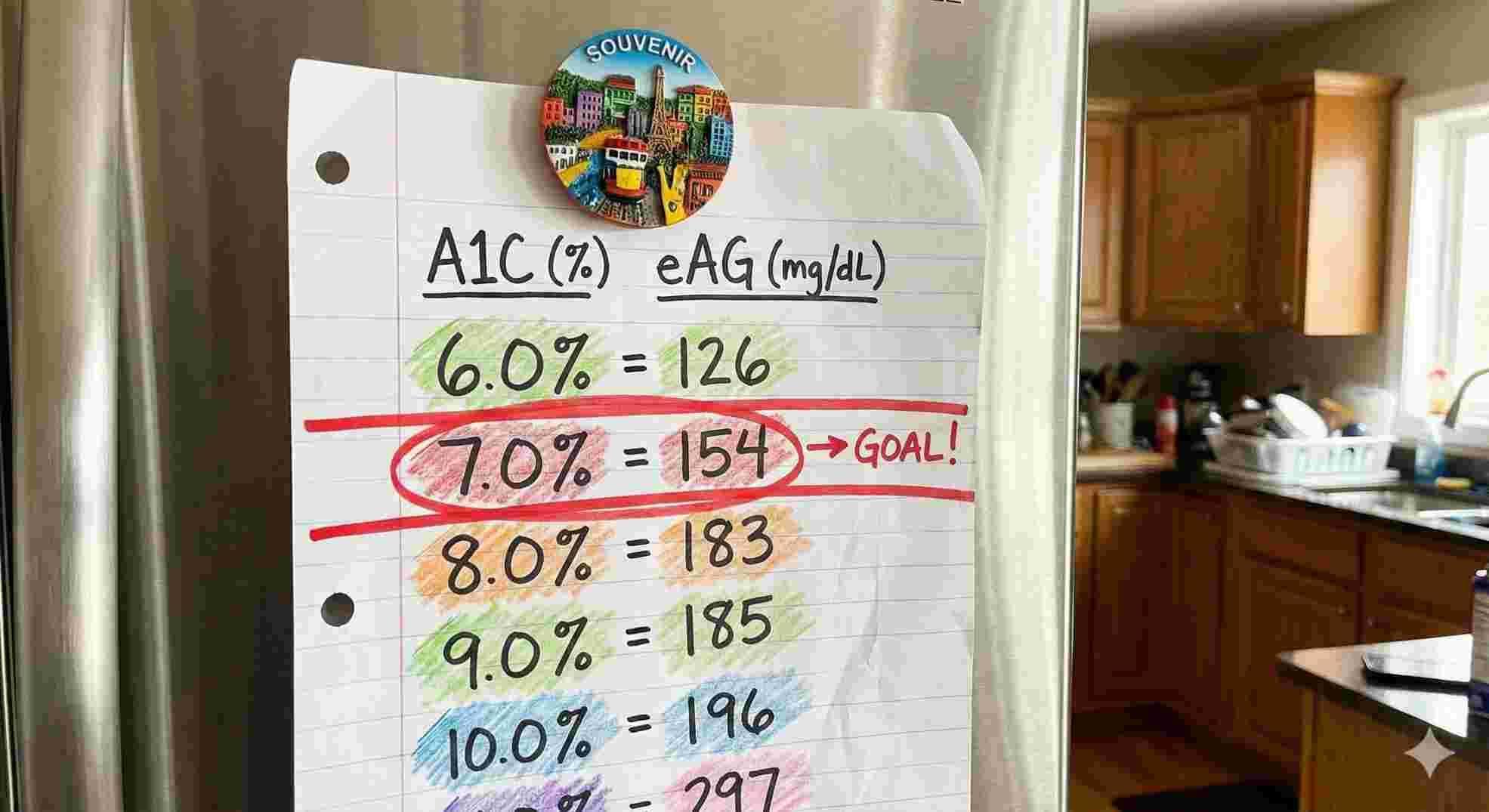
Your Cheat Sheet: The Conversion Chart
I tell everyone to print this out and stick it on the fridge. This table is your manual a1c calculator. Find your A1C on the left, and see what it equals in “real” numbers on the right. If you want a deeper dive into daily targets rather than just these long-term averages, you should also check out our comprehensive Normal Blood Sugar Levels Chart.
Table 1: What Does My A1C Really Mean?
| If your A1C is… | Your Average Sugar is roughly… (mg/dL) | What this usually means |
|---|---|---|
| 5.0% | 97 | Solid. No diabetes here. |
| 5.7% | 117 | Warning zone (Pre-Diabetes). |
| 6.0% | 126 | Pre-Diabetes. Time to act. |
| 6.5% | 140 | Official Diabetes Diagnosis. |
| 7.0% | 154 | The goal for most of us. |
| 8.0% | 183 | Getting too high. Action needed. |
| 9.0% | 212 | Dangerous territory. |
| 10.0% + | 240 + | Immediate help needed. |
Why Your Home Numbers Might Lie
Here is where people get tripped up.
“But Awais,” you say, “my meter says 110 every morning! Why does the a1c calculator say my average is 160?”
It’s because you are only looking at the best moment of your day. Fasting numbers are usually the lowest. But what happens 45 minutes after you eat that bagel? Boom. 200. 250.
If you don’t check then, you don’t see it. But your A1C sees it.
To get a number that actually matches the glucose to a1c calculator, you have to test in pairs:
- Before you eat.
- Two hours after you eat.
Do that for three days, average those numbers, and then look at the chart. That will give you the real picture. If you really want to stop guessing, getting a Continuous Glucose Monitor (CGM) is the best move. It tracks you 24/7 so you never miss a spike.
Table 2: When Should You Actually Worry?
| Status | The Danger Zone (A1C) | What to do |
|---|---|---|
| Healthy | Below 5.7% | Keep doing what you’re doing. |
| Wake Up Call | 5.7% – 6.4% | Cut the soda. Walk more. You can fix this. |
| Diabetic | Over 6.5% | Listen to your doctor. Take the meds. |
Is the Calculator Ever Wrong?
Yes. It happens.
Remember, the a1c calculator assumes your blood cells are normal. But bodies are weird.
- Anemia: If you have low iron, your old blood cells hang around longer. They get “extra sticky” with sugar, making your A1C look higher than it really is.
- Blood Loss: If you donated blood recently, your body makes fresh new cells that haven’t been exposed to sugar yet. This makes your A1C look falsely low.
- Kidney Issues: This throws everything off.
If your finger sticks say one thing and the lab says something totally wild, speak up. Ask your doctor, “Could something else be messing with my result?”
Table 3: How Often Should I Check?
| Who are you? | Check Frequency | Why? |
|---|---|---|
| Doing Great | Every 6 months | Just a maintenance check. |
| Changing Meds | Every 3 months | To see if the new plan works. |
| Pregnant | Monthly | Baby needs strict safety. |
 So, How Do I Fix It?
If you ran the a1c calculator numbers and felt a knot in your stomach, take a breath. It’s okay.
You don’t need to run a marathon tomorrow. You just need to flatten the curve.
- Water: Drink it. Seriously. When you are dehydrated, your sugar is more concentrated.
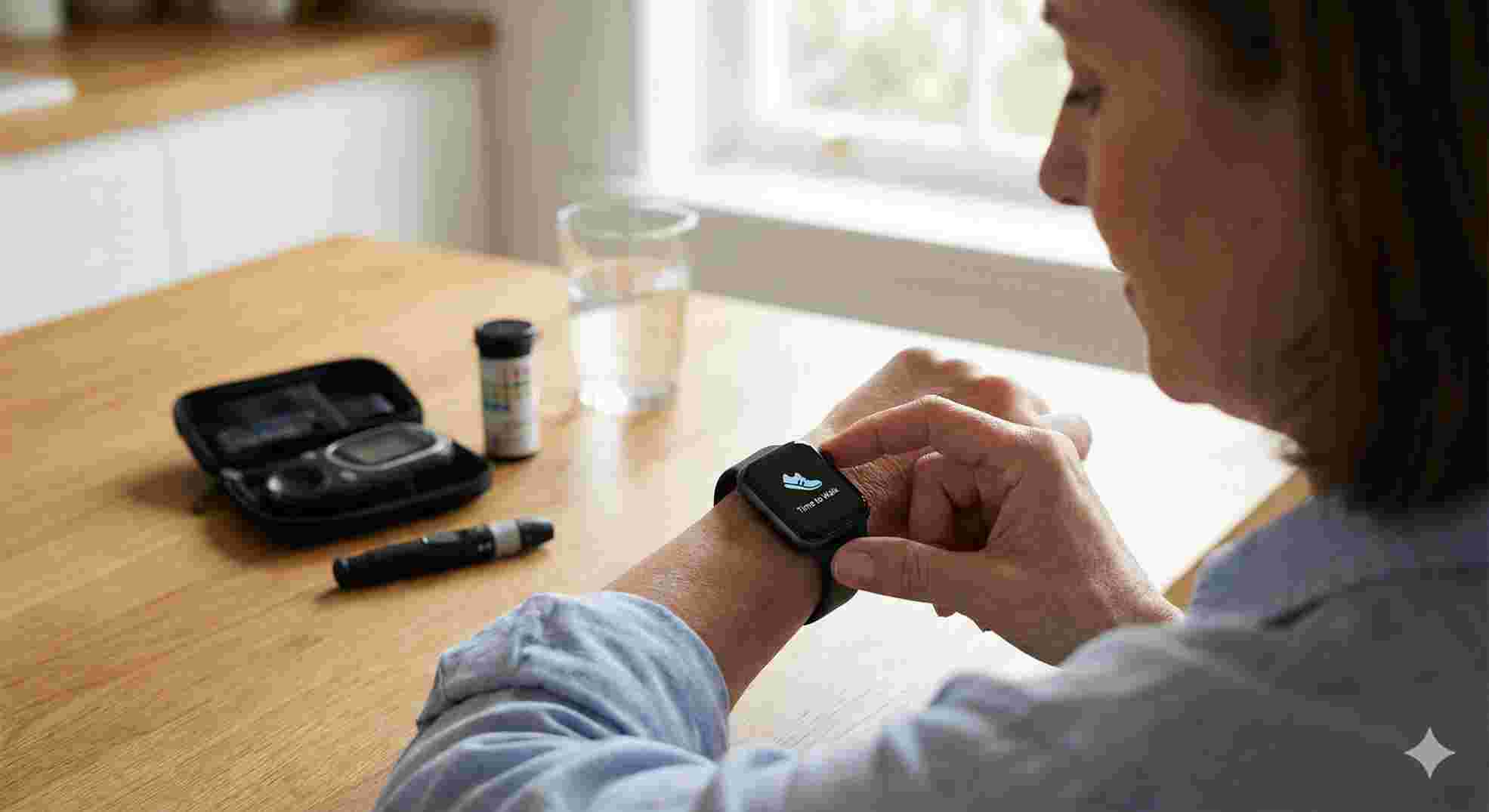
- The 10-Minute Rule: Walk for 10 minutes after dinner. Not a run, just a walk. It burns off the sugar you just ate before it can stick to your blood cells.
- Sleep: If you don’t sleep, your body stresses out and dumps sugar into your blood. Go to bed.
 Wrapping It Up
Here is the bottom line: The a1c calculator isn’t a judgment on you as a person. It’s just a GPS.
If the GPS says you are off track, you don’t scream at the car. You just turn the wheel.
Look at your numbers. Be honest about those late-night snacks. Make a small change today—maybe just one glass of water instead of soda. Check again in three months. I bet you’ll see that number move. You’ve got this.












Can I just check my A1C at home?
Sort of. You can buy home test kits at the pharmacy (like the A1CNow). They are pretty decent, but if the result is high, go see a doctor to confirm. Use an a1c calculator for daily estimates, but use the lab for the final word.
Why does my eAG number look different than my meter?
Your meter measures “whole blood.” Labs measure “plasma.” It’s a tiny technical difference, about 10-12%. Don’t sweat it. Focus on the trend, not the exact digit.
How fast can I drop my A1C?
You can’t rush biology. Since it measures a 3-month average, it takes about 3 months to see the full change. But you’ll see small drops after 4-6 weeks of hard work.
Is 5.6% good?
5.6% is fantastic. It’s right on the edge of normal. According to the CDC, anything below 5.7% is considered normal.
Does the a1c calculator work for kids?
The math is the same, but the goals are different. Doctors often let kids run a little higher (like 7.5%) because low blood sugar is really dangerous for them. Ask the pediatrician.




Write a comment
Your email address will not be published. All fields are required